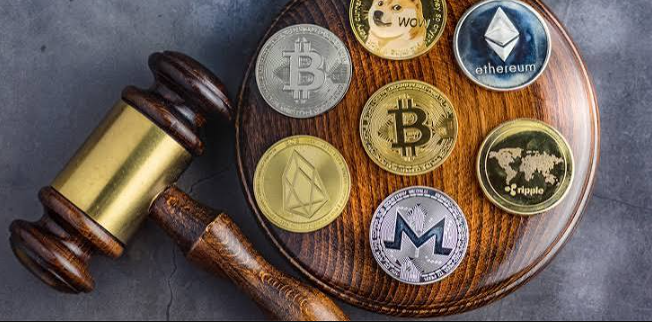

Regulatory treatment hinges on how a token is used, valued, and relied upon. Securities regulation applies when investor expectations stem from others’ efforts, with disclosure, governance duties, and fiduciary obligations. Purely decentralized, utility-focused tokens may fall outside those requirements, prioritizing market integrity and consumer protections over issuer disclosures. Clarity from regulators reduces ambiguity about registration or exemptions and shapes governance, liquidity, and compliant innovation, leaving important questions unresolved as the landscape evolves.
Is My Token a Security? The Tests You Need to Know
Determining whether a token constitutes a security hinges on applying established tests that assess how the token is used and relied upon in practice.
The evaluation concentrates on actual rights and expectations, not mere labels.
Token economics and governance structures shape these expectations, guiding whether profits derive from others’ efforts or independent utility, thus informing a compliant, freedom-minded determination.
See also: How Artificial Intelligence Processes Information
When Crypto Is Regulated as a Security vs. Unregulated
When does crypto fall under securities regulation versus remaining unregulated, and what are the practical consequences of each path? Regulators treat certain tokens as securities, triggering disclosure, governance, and fiduciary duties, influencing market integrity and investor protections.
In unregulated scenarios, token economics and incentives shape risk, liquidity, and innovation, but regulatory clarity remains essential to mitigate ambiguity and enhance lawful growth.
Registration vs. Exemption Pathways: What to File and When
Registration and exemption pathways frame the spectrum of regulatory filing requirements for crypto offerings. This analysis delineates when to pursue each route, highlighting practical decision points for issuers and advisers.
Registration pathways demand robust disclosures and ongoing compliance, while exemption timing hinges on non-public engagement and risk-based thresholds. Clarity, timeliness, and risk assessment guide choosing between filings and exemptions.
Enforcement Realities for ICOs, DeFi, and Tokenized Assets
The landscape reveals regulatory ambiguity shaping enforcement discretion, while shared expectations around token governance constrain behavior, penalize misrepresentation, and incentivize robust disclosures to sustain compliant, freedom-respecting market participation.
Conclusion
In sum, the line between cryptocurrency and securities hinges on how a token is used and what investors reasonably expect. When a token rests on promises of others’ efforts, securities rules likely apply, demanding disclosures and governance duties; purely decentralized or utility-focused tokens may escape those requirements, prioritizing market integrity. Clarity from regulators informs registration or exemptions, shaping compliance pathways. Investors should scrutinize the token’s use, incentives, and risk disclosures to determine applicable regulatory regimes and enforcement implications.